

Discover El Rinconcillo, the oldest bar in Seville
Seville City Centre: Interesting and Charming Facts about El Rinconcillo
Before explaining in detail what is so special about this place, take note of the address: Calle Gerona, 40.
The oldest bar in Seville
El Rinconcillo is the oldest bar in Seville. The establishment boasts more than 350 years of history, having opened its doors in 1670. At the end of 1800, the family who still currently owns it bought the house next door (Calle Alhóndiga, 2) and the tavern we know today was born. The house in Gerona Street was kept as a tavern and the new house was used as a grocery store. In the 1960s, the grocery store began to disappear, leaving only the bar.
An interesting fact that highlights the historical importance of this place is that it opened under the reign of Charles II, and since then there have been 15 kings and 4 different dynasties.
Seven generations of the De Rueda family have made it the oldest bar in Seville. It’s currently run by brothers Carlos and Javier.
Andalusian décor
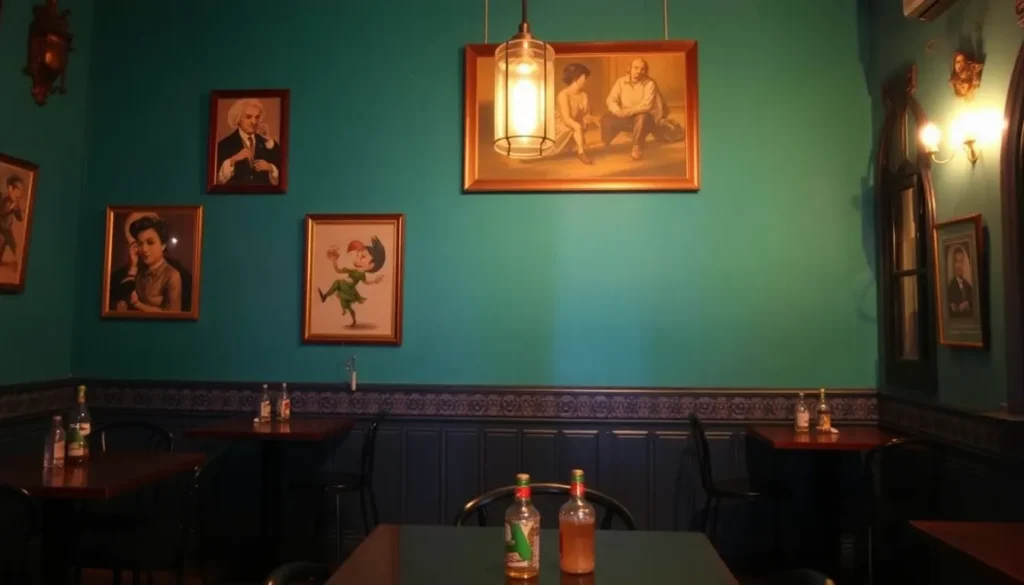
If you like art, visit Seville and El Rinconcillo. Andalusian décor is found in practically every element of the bar.
The antique furnishings surprise everyone who visits this historic site. Let’s take a brief look at the most remarkable decorative elements:
- First floor. The counter is made of mahogany and the barrels have been turned into typical Andalusian tables. You can also sit at the wooden chairs surrounding the marble tables that retain a traditional Sevillian style.
- Second floor. The restaurant is located here and follows the same style as the first floor. It’s a magnificent space with brick walls, Andalusian masonry and large windows.
Always open
El Rinconcillo has withstood the various events that marked the history of Spain, such as the Spanish Civil War and the Peninsula War. It never closed its doors until the arrival of the pandemic in 2020. What’s more, the 350th anniversary celebrations could not take place that year.
Posters
Throughout the premises there are a number of posters that are also indicative of the passage of time. Let’s take a look at the most striking ones and their meaning:
- ‘Singing is strictly forbidden’. Although it may seem like a joke, this type of poster was very common during Franco’s dictatorship. The aim was to maintain order inside the premises.
- There is an original poster of the 1929 Seville Spring Festival.
- ‘Small glass of Jerez for 40 cents’. This sign was put up in the 1920s and has been there ever since. In the past, a small glass of wine was often served to customers, hence the sign with information about the type of wine and its price.
Staff
The waiters who work in this bar are very professional. They also preserve the traditional way of working. For example, customers’ drinks are written in chalk on the bar and then erased once the customer asks for the total and pays. It’s also worth mentioning how they cut the ham with just a twist of the wrist and prepare delicious tapas with this food.
Why is it called El Rinconcillo?
Nobody knows for sure the origin of the name. However, the most widely accepted theory is associated with the first wall in Seville. Along its length it linked Puerta Osario with San Andrés and, according to some historians, the bar we know today is located on the corner of one of these sections.