


What to Do in Seville in October: Explore the City Center at a More Relaxed Pace
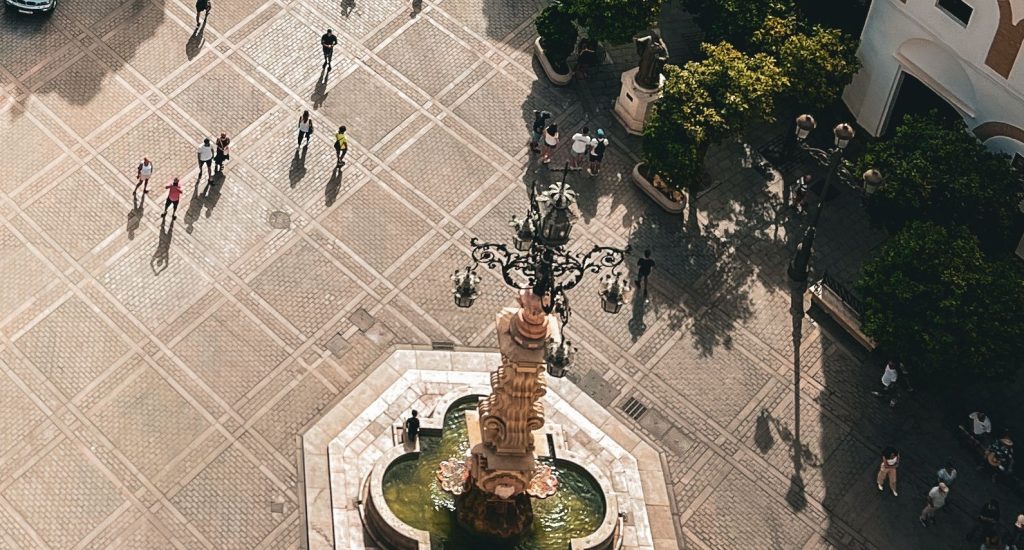
Looking for what to do in Seville in October offers a clear advantage: your trip no longer revolves exclusively around escaping the heat. Autumn allows you to combine monuments, neighborhoods, parks, terraces, and walks at a pace that is often more comfortable for discovering the historic center.
The official Visit Seville website highlights autumn as an ideal time to explore the city, with more pleasant temperatures and a vibrant cultural calendar. That doesn’t mean every day will be the same: it’s always wise to check the forecast and the specific events for your dates before heading out, but October definitely invites a more flexible itinerary than the hotter months.
A Morning for the Big Must-Sees, Without Turning It Into a Race
If it’s your first visit, the Cathedral, the Giralda, the area around the Royal Alcázar, and the Archive of the Indies form a core area that’s very easy to explore on foot. The official Seville monuments page allows you to check options and organize your priorities before you arrive.
Only Book What Absolutely Requires a Timed Slot
One common mistake on a short getaway is to chain together hourly bookings. Having a timed entry ticket for a major monument can be helpful; having five turns your day into a succession of alarms.
In October, it’s worth leaving gaps to stroll through Santa Cruz, stop in a square, or wander down a street that wasn’t on your itinerary.
Santa Cruz Works Best When You Allow Yourself to Get a Little Lost
The old Jewish Quarter is one of those places where the experience doesn’t solely depend on reaching a specific point. Alleys, courtyards, small squares, and changing perspectives make walking worthwhile in itself.
If you already know the most obvious spots, Locking’s guide to Seville’s secret corners offers ideas for incorporating less obvious stops into your city center route.
Autumn Invites More Walking, But There’s No Need to Cross the Entire City All at Once
A good way to organize your day is to divide it by zones. The monumental center in the morning, Triana or the river after lunch, and a park or an area with terraces at the end of the day. This saves you travel time and prevents you from spending more time looking at a map than at the city itself.
Plaza de España and María Luisa Park to Slow Down the Pace
After several hours among streets and monuments, the area around Plaza de España completely changes the type of visit. María Luisa Park allows you to rest, walk without a fixed goal, and dedicate part of the day to something that doesn’t require an entrance ticket.
In autumn, this contrast between heritage and open spaces can be particularly pleasant. Wear comfortable shoes: a city break in Seville can easily add up to many kilometers without you even realizing it.
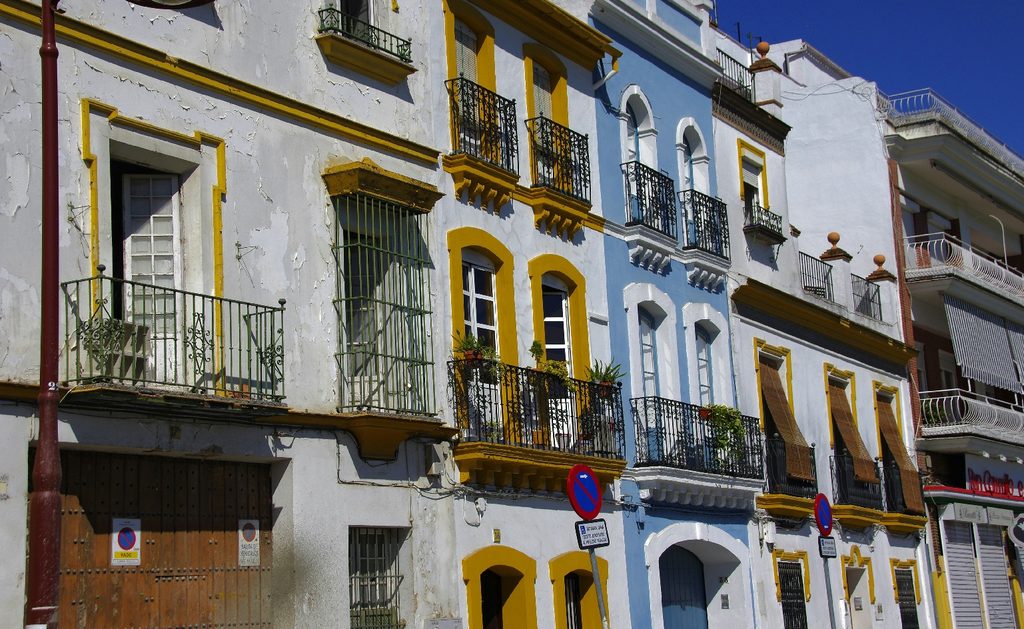
Triana, Across the River
Crossing into Triana introduces a different atmosphere without needing to organize an excursion outside the city. The walk along the Guadalquivir, the market area, and the neighborhood’s streets can easily fill a whole afternoon if you’re not in a hurry.
Don’t Turn Triana Into a Quick Photo Stop
Just going, taking a picture from the bridge, and returning to the center misses out on much of its appeal. If you decide to cross, set aside time to explore some streets, stop for a meal, or simply walk along the river.
What to Do if You Arrive Before Check-in or Leave After Check-out
This is more of a practical problem than a tourist one. You might have five free hours in Seville, yet you can’t make the most of them because you’re dragging a suitcase over cobblestones, through public transport, and around monuments.
If your accommodation isn’t ready yet or you’ve already checked out, using lockers Sevilla (or a convenient **luggage storage service in Seville**) allows you to separate your luggage schedule from your travel schedule. The idea isn’t to add another tourist stop, but to reclaim valuable hours that would otherwise be dictated by your bags.
A Short Plan for Your Last Four Hours
If you’re in the city center, a reasonable combination could be a walk along the river, exploring Arenal, a relaxed meal, and a final stroll through the historic quarter. It’s better to choose a compact area than to try and visit a distant monument with your eye on the clock for your train station or airport departure.
October is Also a Great Month to Check the Cultural Agenda
Exhibitions, concerts, theatre, flamenco, and temporary events can completely transform an afternoon. Instead of planning your trip solely around permanent lists, check the official agenda a few days beforehand.
Leave Some Unplanned Time
This recommendation might seem inefficient, but it works. If your entire day is booked solid in advance, there’s no room to extend a meal, pop into an exhibition you stumble upon by chance, or change areas because the weather is perfect.
October is precisely a month when Seville truly allows for better impromptu exploration on foot.
A One-Day Itinerary to Get Your Bearings
Morning: Monumental Center and Santa Cruz
Start early around the Cathedral and Alcázar. Then, take time to wander through Santa Cruz without trying to tick off an endless list of streets.
Midday: Arenal or City Center
Find an area where you can eat without too much travel. If you’re heading towards the river next, Arenal works well as a transition.
Afternoon: River and Triana
Cross the Guadalquivir, explore part of the neighborhood, and return with enough daylight to enjoy the views of the city center from the other side.
Last Hour: Plaza de España or a Terrace
Depending on your fatigue and where you’re staying, finish in an open area or simply reserve the last hour to sit down and relax. A trip doesn’t necessarily improve by adding one more monument.
What to Pack for October
The specific forecast is key, but for a city trip, it’s useful to think in terms of light layers, comfortable shoes, and an option for rain. Over a long day, there can be significant temperature differences between early morning, midday, and evening.
It’s also a good idea to bring a portable charger if you rely on your phone for tickets, maps, and transport. It seems like a minor detail until you’ve been out all day.
What to Do in Seville in October Without Trying to See Absolutely Everything
The best answer to **what to do in Seville in October** isn’t a list of thirty places. It’s a combination of heritage, neighborhoods, and enough free time so that the city doesn’t just become a collection of checked boxes.
Autumn allows you to walk, pause, and adjust your route on the fly. Choose one or two major must-sees, organize your **luggage storage** so it doesn’t dictate your arrival or departure times, and let part of the day unfold without an hourly booking.
Frequently Asked Questions (FAQs)
What should I do in Seville in October if it’s my first visit?
Prioritize the monumental center, Santa Cruz, Plaza de España, and a walk along the Guadalquivir. If you have more time, add Triana and some cultural events from the agenda for your dates.
Is October a good month to visit Seville?
The official tourism portal highlights autumn for its pleasant walking temperatures and cultural program. Still, it’s advisable to check the specific forecast before your trip.
Do I need to book monuments in advance?
For the most popular places, it can be advisable. However, avoid filling your entire day with consecutive bookings if you want to explore the city with some flexibility.
What can I do with my bags after check-out?
You can use a **luggage storage service** or **locker** and continue your visit without carrying your bags until departure time.
Which areas of Seville are good for walking?
The historic center, Santa Cruz, Arenal, and much of the riverfront area form a very walkable ensemble. Triana is also easily connected via the bridges.
How many days do you need for Seville?
One day allows you to see a significant part of the center, but two or three days give you much more scope to combine monuments, neighborhoods, parks, gastronomy, and cultural activities.
Prioritize the monumental center, Santa Cruz, Plaza de España, and a walk along the Guadalquivir. If you have more time, add Triana and some cultural events from the agenda for your dates.
The official tourism portal highlights autumn for its pleasant walking temperatures and cultural program. Still, it’s advisable to check the specific forecast before your trip.
For the most popular places, it can be advisable. However, avoid filling your entire day with consecutive bookings if you want to explore the city with some flexibility.
You can use a **luggage storage service** or **locker** and continue your visit without carrying your bags until departure time.
The historic center, Santa Cruz, Arenal, and much of the riverfront area form a very walkable ensemble. Triana is also easily connected via the bridges.
One day allows you to see a significant part of the center, but two or three days give you much more scope to combine monuments, neighborhoods, parks, gastronomy, and cultural activities.