

The Alcazaba, one of the must-see monuments of Malaga
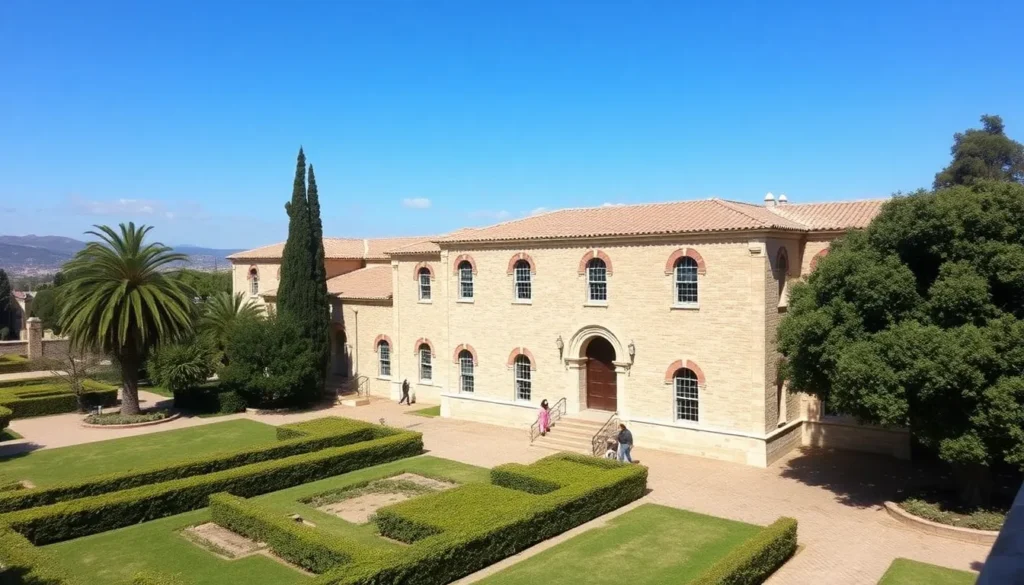
The Alcazaba: a blend of cultures, art and history
In Malaga, you can find traces of several cultures including Phoenician, Roman and Arabic. This should come as no surprise, as the city is one of the oldest in Europe.
Brief history
Archaeology has revealed that the fortress was built on the remains of an ancient Phoenician site. It’s located on a hill by the coast, a strategic spot that offers a good view of the sea. What’s more, there’s a Roman theatre at the foot of the hillside that was used as a quarry during construction. So, they used the existing stone to save on resources and labour.
The Alcazaba was built between 1057 and 1063, but underwent several alterations in the following centuries. Each culture that settled in Malaga left its mark on the building, from the Almoravids to the Nasrids and then the Christian kings.
During the final Muslim period of Nasrid, the fortress reached its peak of splendour. A number of changes were made to improve its defences and embellish the building. Thanks to these efforts, it’s in no way inferior to the Alhambra in Granada. However, despite remaining in operation after the Christian conquest, it fell into oblivion in the 17th century, only to receive renewed attention in the 20th century.
What to see in the Alcazaba
When it comes to visiting the Alcazaba, you have two options. The first is to take a lift to the top of the hill. The second is to walk up — the experience is well worth the effort. If you follow this route, you will come to an entrance that leads directly to the Plaza de Armas. Once inside, you can enjoy wonderful views over Malaga and its coastline.
Beyond the square, a beautiful garden comparable to those of the Alhambra awaits you. From this area, you can reach the Gate of the Seven Arches, which leads to the inner walled complex. Inside is the entrance to the palace, which was the former seat of the rulers. The keep is also close by for another scenic viewpoint overlooking the city.
The Roman Theatre and the Gibralfaro Castle
Near the Alcazaba you will find the Roman Theatre and Gibralfaro Castle. The first dates back to the 1st century BC and stayed active until the 3rd century BC. It was later used as a fish factory, necropolis and a quarry for the fortress. It remained neglected right up to 1951.
Meanwhile, Gibralfaro Castle was built around the Alcazaba to protect it and increase its defences. The citadels were urban defensive structures that served as the ruler’s residence. When the war against the Christian kingdoms intensified, the rulers of the Kingdom of Granada decided to improve the building to make it almost unconquerable.