

What to see in Gran Canaria?
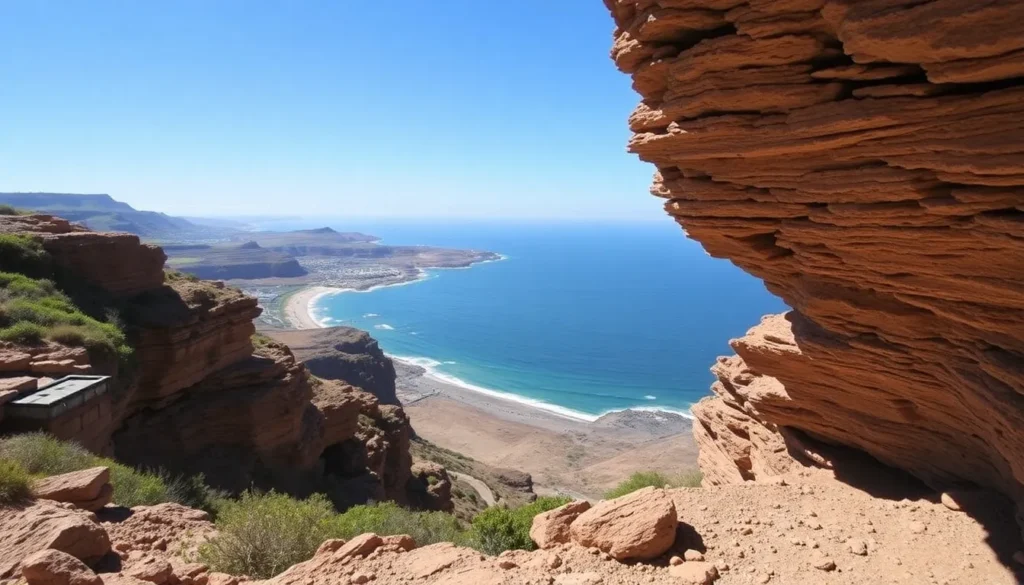
Whatever you’re into, you’re bound to find something that you’ll love in this city. From the old town to the beach and from the fisherman’s district to the auditorium, Las Palmas de Gran Canaria has something for everyone.
Vegueta
This is one of the city’s oldest areas. The district of Vegueta is a great area to explore on foot as its streets are cobblestoned and therefore, mainly pedestrianised. You’ll find a wide variety of historical buildings, such as Casa de Colón (Columbus House) and Santa Ana cathedral, presiding over the plaza of the same name.
Without a shadow of a doubt, the best thing you can do to take in what this district has to offer is to lose yourself in its streets. Some of them in particular are well worth a visit, such as Calle Pelota and Calle de los Balcones; you’ll soon find out how this street got its name when you get there. The market is another of the spots you shouldn’t forget to visit. It’s one of the oldest in the city and you can sample a cornucopia of exquisite local produce there.
San Cristóbal
This neighbourhood, which you’ll find in the south of the city, is a wonderful example of a fisherman’s district. Colourful fisherman’s cottages set right on the edge of the ocean help this zone, which isn’t as full of life and activity as it was 150 years ago, retain its picturesque style and maritime soul. The Tower of San Pedro Mártir, which was built to defend the city from enemy ships, dominates this part of Las Palmas. Head this way if you want to try local food and if you’re looking for high-quality fresh fish.
Caldera de Bandama
If you love walking and the great outdoors, you can’t miss the Caldera de Bandama. This crater lies in the middle of the triangle formed by the municipalities of Santa Brígida, Telde and Las Palmas de Gran Canaria. It features:
- A depression 216 metres deep.
- A 1100-metre diameter.
- A 3 km circular walk that will take you past the Las Goteras and Guiniguada ravines.
This is good wine country, so you’ll find a multitude of cellars here especially around Santa Brígida. This is classed as a Protected Natural Space due to its exceptional geological value and its variety of flora and fauna.
The trail around El Confital beach
El Confital is an urban beach. However, although it is easy to get to both on foot and by car, it isn’t super-busy. It’s a natural area without services, although it attracts surfers due to what they call El Confital’s right-hander, a wave that trends to the right with some unusual features. In fact, a number of surfing competitions have been held here.
Auditorio Alfredo Kraus
This auditorium, named in honour of one of La Palma’s most celebrated citizens, is well worth a visit. If you don’t get the opportunity to watch a performance, at least go in to take a look inside. The building is highly colourful and adorned with sculptures that pay homage to the sea.
The Sala Sinfónica is worth a visit too. It has an enormous, 100 metre-square window, looking out over the depths of the Atlantic so you can enjoy the view while listening to the music.